GIỚI THIỆU VỀ CHỨNG NHẬN ISO 22716 – COSMETICS GMP

Giới Thiệu Chung

ISO 22716:2007 – Cosmetics — Good Manufacturing Practices (GMP) là tiêu chuẩn quốc tế do Tổ chức Tiêu chuẩn hóa Quốc tế (ISO) ban hành, cung cấp các hướng dẫn chi tiết về Thực hành tốt sản xuất mỹ phẩm (GMP).

Tiêu chuẩn này được áp dụng rộng rãi trên toàn cầu, là cơ sở được Liên minh Châu Âu (EU) và nhiều quốc gia công nhận trong việc chứng minh sản phẩm mỹ phẩm được sản xuất trong điều kiện đảm bảo chất lượng, an toàn và tuân thủ quy định pháp lý.

Mục đích

Chứng nhận ISO 22716 – GMP nhằm đảm bảo rằng các sản phẩm mỹ phẩm được sản xuất, kiểm soát, lưu trữ và phân phối trong điều kiện vệ sinh, an toàn và thống nhất về chất lượng.
Tiêu chuẩn này giúp doanh nghiệp xây dựng hệ thống quản lý sản xuất chuyên nghiệp, giảm thiểu rủi ro ô nhiễm, sai lỗi, đồng thời nâng cao độ tin cậy của sản phẩm đối với người tiêu dùng và đối tác quốc tế.

Phạm vi áp dụng

  • Các cơ sở sản xuất, gia công, đóng gói mỹ phẩm.
  • Đơn vị phân phối, kho bảo quản và vận chuyển sản phẩm mỹ phẩm.
  • Các doanh nghiệp OEM/ODM trong lĩnh vực chăm sóc da, tóc, nước hoa, sản phẩm spa, trang điểm, v.v.
  • Áp dụng cho mọi quy mô doanh nghiệp, từ nhà máy sản xuất nhỏ đến tập đoàn lớn trong chuỗi cung ứng mỹ phẩm.

Lợi ích khi có chứng nhận ISO 22716

  • Khẳng định uy tín và năng lực sản xuất: Nâng cao hình ảnh doanh nghiệp, tăng niềm tin của người tiêu dùng và đối tác.
  • Đáp ứng yêu cầu pháp lý và thị trường quốc tế: Là tiêu chuẩn được công nhận bởi EU, ASEAN, Nhật Bản, Hàn Quốc, giúp dễ dàng xuất khẩu sản phẩm.
  • Giảm thiểu rủi ro sản xuất: Hạn chế sai sót, ô nhiễm chéo và tăng hiệu quả kiểm soát chất lượng.
  • Hỗ trợ quản lý nội bộ: Tăng tính chuyên nghiệp, cải thiện hiệu quả vận hành và năng suất.
  • Thúc đẩy phát triển bền vững: Góp phần đảm bảo sức khỏe người tiêu dùng và tuân thủ trách nhiệm xã hội của doanh nghiệp.

Quy trình cơ bản

  1. Doanh nghiệp đăng ký và nộp hồ sơ chứng nhận ISO 22716.
  2. Đánh giá tài liệu hệ thống quản lý GMP của doanh nghiệp.
  3. Đánh giá thực tế tại cơ sở sản xuất (on-site audit).
  4. Cấp chứng chỉ ISO 22716 có hiệu lực 3 năm, kèm đánh giá giám sát định kỳ hằng năm.

ISO 22716 – Cosmetics GMP là “chuẩn mực vàng” trong ngành mỹ phẩm, giúp doanh nghiệp đảm bảo sản phẩm đạt tiêu chí chất lượng, an toàn và tuân thủ quốc tế.

Việc đạt chứng nhận này không chỉ tăng năng lực cạnh tranh và cơ hội xuất khẩu, mà còn thể hiện cam kết của doanh nghiệp đối với sức khỏe cộng đồng và sự phát triển bền vững.

CONTACT FOR SERVICE SUPPORT:

Contact Vietnam representative: Duc Luong Services

Hotline: +84 933096426 – +84 868 591 260

Email: info.vietnam@iscglobal.asia – van.pham@iscglobal.asia – ducluongservices@gmail.com

REGISTER FOR SERVICE HERE: APPLICATION FORM!

INTRODUCTION TO NON-GMO PROJECT VERIFIED CERTIFICATION

General Overview

Non-GMO Project is an independent non-profit organization headquartered in the United States, established with the goal of protecting consumer choice and promoting transparency in the food supply chain.

Non-GMO Project Verified certification confirms that a product does not contain ingredients derived from genetically modified organisms (GMOs) — independently verified according to rigorous scientific standards.

Purpose

Non-GMO Project Verified certification helps consumers identify and trust safe, transparent products, while supporting businesses in accessing international markets that have high requirements for traceability and sustainability.

Scope of Application

The certification is applied to multiple product categories, including:

  • Food and beverages
  • Agricultural ingredients and animal feed
  • Dietary supplements and natural cosmetics
  • Consumer and household products

Additionally, the certification is also applied to the entire supply chain — from raw materials, production, packaging to distribution.

Benefits of Achieving Non-GMO Project Verified Certification

  1. Brand Credibility Enhancement

Products bearing the “Non-GMO Project Verified” symbol (butterfly logo) are trusted by consumers in the US, Canada, and many other countries.

  • Export Market Expansion

It is an important requirement for accessing major retail chains in North America and Europe.

  • Meeting Traceability Requirements

Helps businesses control ingredients and processes, minimizing GMO contamination risks.

  • Increased Customer Trust

Enhances product competitiveness and reliability in the “clean – natural – safe” segment.

  • Sustainable Development

Contributes to a transparent food system, protecting the environment and community health.

Basic Certification Process

  1. Register and sign a contract with an authorized Technical Administrator (TA).
  2. Evaluate ingredients and identify high-risk inputs (High-Risk Inputs Assessment).
  3. Conduct genetic testing with high-risk ingredients.
  4. Establish traceability and segregation systems.
  5. Document review and certification issuance.
  6. Annual renewal and surveillance.

The certification is valid for 12 months and requires annual renewal to maintain verified status.

CONTACT FOR SERVICE SUPPORT:

Contact Vietnam representative: Duc Luong Services

Hotline: +84 933096426 – +84 868 591 260

Email: info.vietnam@iscglobal.asia – van.pham@iscglobal.asia – ducluongservices@gmail.com

REGISTER FOR SERVICE HERE: APPLICATION FORM!

DỊCH VỤ ĐÀO TẠO, TƯ VẤN & CHỨNG NHẬN NON-GMO PROJECT VERIFIED

Giải pháp toàn diện giúp doanh nghiệp đạt chứng nhận Non-GMO Project Verified

1. Đào tạo nhận thức & quy trình chứng nhận

  • Giới thiệu tổng quan về tiêu chuẩn Non-GMO Project và yêu cầu xác nhận.
  • Hướng dẫn quy trình đánh giá, thử nghiệm nguyên liệu, phân tách và truy xuất nguồn gốc.
  • Nâng cao năng lực đội ngũ quản lý chất lượng và kỹ thuật viên trong việc duy trì hệ thống non-GMO.

2. Tư vấn đánh giá hiện trạng & xây dựng hồ sơ

  • Đánh giá tình trạng hiện tại của sản phẩm và quy trình sản xuất.
  • Xác định các điểm chưa phù hợp với yêu cầu của tiêu chuẩn Non-GMO Project.
  • Hỗ trợ doanh nghiệp xây dựng tài liệu, quy trình kiểm soát và biểu mẫu cần thiết.

3. Hỗ trợ kiểm nghiệm & truy xuất nguồn gốc

  • Kết nối với các phòng thí nghiệm quốc tế được công nhận để xét nghiệm GMO.
  • Hướng dẫn quy trình lấy mẫu, gửi mẫu và đọc kết quả thử nghiệm.
  • Thiết lập hệ thống phân tách nguyên liệu (segregation) và truy xuất nội bộ.

4. Hỗ trợ đăng ký chứng nhận & kết nối với TA

  • Hỗ trợ doanh nghiệp làm việc với Technical Administrator được chỉ định (SCS, NSF, FoodChain ID…).
  • Theo dõi quá trình đánh giá, phản hồi các yêu cầu bổ sung.
  • Hỗ trợ xử lý các điểm không phù hợp và hoàn thiện hồ sơ đúng tiến độ.

Cam kết dịch vụ

Chúng tôi cam kết đồng hành cùng doanh nghiệp trong suốt quá trình từ chuẩn bị đến đạt chứng nhận, đảm bảo:

  • Quy trình minh bạch, chi phí hợp lý và tuân thủ đúng tiêu chuẩn quốc tế.
  • Tối ưu thời gian và giảm thiểu rủi ro trong quá trình đánh giá.

Dịch vụ hỗ trợ trọn gói: đào tạo, tư vấn kỹ thuật, kết nối tổ chức chứng nhận.

CONTACT FOR SERVICE SUPPORT:

Contact Vietnam representative: Duc Luong Services

Hotline: +84 933096426 – +84 868 591 260

Email: info.vietnam@iscglobal.asia – van.pham@iscglobal.asia – ducluongservices@gmail.com

REGISTER FOR SERVICE HERE: APPLICATION FORM!

GIỚI THIỆU VỀ CHỨNG NHẬN NON-GMO PROJECT VERIFIED

Giới thiệu chung

Non-GMO Project là tổ chức phi lợi nhuận độc lập có trụ sở tại Hoa Kỳ, được thành lập với mục tiêu bảo vệ quyền lựa chọn của người tiêu dùng và thúc đẩy minh bạch trong chuỗi cung ứng thực phẩm.

Chứng nhận Non-GMO Project Verified xác nhận rằng sản phẩm không chứa thành phần có nguồn gốc từ sinh vật biến đổi gen (GMO) – được kiểm định độc lập theo tiêu chuẩn khoa học nghiêm ngặt.

Mục đích

Chứng nhận Non-GMO Project Verified giúp người tiêu dùng nhận biết và tin tưởng vào sản phẩm an toàn, minh bạch, đồng thời hỗ trợ doanh nghiệp tiếp cận thị trường quốc tế yêu cầu cao về truy xuất nguồn gốc và tính bền vững.

Phạm vi áp dụng

Chứng nhận được áp dụng cho nhiều nhóm sản phẩm, bao gồm:

  • Thực phẩm và đồ uống
  • Nguyên liệu nông nghiệp và thức ăn chăn nuôi
  • Thực phẩm chức năng, mỹ phẩm tự nhiên
  • Sản phẩm tiêu dùng và gia dụng

Ngoài ra, chứng nhận cũng được áp dụng cho toàn bộ chuỗi cung ứng – từ nguyên liệu, sản xuất, đóng gói đến phân phối.

Lợi ích khi đạt chứng nhận Non-GMO Project Verified

  1. Khẳng định uy tín thương hiệu

Sản phẩm mang biểu tượng “Non-GMO Project Verified” (hình bướm) được người tiêu dùng tin cậy tại Mỹ, Canada và nhiều quốc gia khác.

  • Mở rộng thị trường xuất khẩu

Là điều kiện quan trọng để tiếp cận các chuỗi bán lẻ lớn tại Bắc Mỹ và Châu Âu.

  • Đáp ứng yêu cầu truy xuất nguồn gốc

Giúp doanh nghiệp kiểm soát nguyên liệu và quy trình, hạn chế rủi ro lẫn GMO.

  • Gia tăng niềm tin khách hàng

Tăng khả năng cạnh tranh và độ tin cậy của sản phẩm trong phân khúc “sạch – tự nhiên – an toàn”.

  • Phát triển bền vững

Góp phần hướng tới hệ thống thực phẩm minh bạch, bảo vệ môi trường và sức khỏe cộng đồng.


Quy trình chứng nhận cơ bản

  1. Đăng ký và ký hợp đồng với đơn vị Technical Administrator (TA) được ủy quyền.
  2. Đánh giá nguyên liệu và xác định rủi ro cao (High-Risk Inputs Assessment).
  3. Thực hiện xét nghiệm gen (Genetic Testing) với nguyên liệu rủi ro cao.
  4. Thiết lập hệ thống truy xuất và phân tách (Traceability & Segregation).
  5. Đánh giá hồ sơ và cấp chứng nhận (Document Review & Certification).
  6. Giám sát và gia hạn hàng năm (Annual Renewal & Surveillance).

Chứng nhận có hiệu lực 12 tháng và cần gia hạn định kỳ hằng năm để duy trì trạng thái xác nhận.

CONTACT FOR SERVICE SUPPORT:

Contact Vietnam representative: Duc Luong Services

Hotline: +84 933096426 – +84 868 591 260

Email: info.vietnam@iscglobal.asia – van.pham@iscglobal.asia – ducluongservices@gmail.com

REGISTER FOR SERVICE HERE: APPLICATION FORM!

Training, consulting and guidance services for the implementation of VSME Standard (Voluntary Standards for Small and Medium Enterprises – MSME/SME) 

Solutions to improve capacity and integration for small and medium-sized enterprises 

About VSME Standard 

VSME Standard (Voluntary Standard for Micro, Small and Medium-sized Enterprises) is a set of voluntary standards designed specifically for small and medium-sized enterprises (MSMEs/SMEs). The goal of VSME Standard is to improve management capacity, optimize production and business activities, improve the quality of products, services and the ability of enterprises to integrate into the domestic and international markets. 

This standard not only helps businesses build a methodical management foundation, but also is the key to helping small and medium-sized businesses overcome barriers in terms of scale, resources, and improve long-term competitiveness. 

Benefits of applying VSME Standard 

  • Improve corporate governance efficiency: Applying VSME helps businesses standardize processes, increase transparency and reduce risks. 
  • Strengthening competitiveness: Businesses that comply with this standard can easily access large partners and markets, especially when participating in the global supply chain. 
  • Sustainable development: VSME focuses on green and environmentally friendly development factors, compliance with legal regulations and modern governance principles. 
  • Meeting customer and market requirements: Implementing standards helps businesses improve the quality of products and services, satisfy customers and increase partner trust. 
  • Increase access to investment capital: Businesses that implement the standard easily receive attention from financial institutions and investment funds thanks to transparency and clear management systems. 

Contents of training and consulting services to guide the implementation of VSME Standard 

  • VSME Standard awareness training: Help management and staff understand the standards, objectives and benefits when applying. 
  • Assessment of the current state of the enterprise: Experts conduct surveys and analyze the current situation of management, production and business to build an appropriate implementation roadmap. 
  • Consulting on building a management system according to VSME: Including guidance on establishing processes, policies, and documenting the management system in accordance with the characteristics of each business. 
  • Intensive training according to each standard content: Focusing on areas such as human resource management, quality management, occupational safety, environmental protection, internal control, risk assessment, innovation, etc. 
  • Practical application guidance: A team of experts accompanies and guides businesses to solve problems, adjust and improve the management system in practice. 
  • Internal audit and preparation for standard confirmation/recognition: Support businesses to self-evaluate the system, prepare documents and processes to be certified or certified in accordance with VSME Standard. 
  • Update, maintain and improve continuously: Consult on improvement solutions, update new requirements of standards as well as modern management trends. 

Approach to training and consulting 

  • Face-to-face interactive training: Combining theory and practice, sharing real-life situations, group exercises, open discussions. 
  • On-site guidance: Experts work directly at the business to support the implementation of the standard every step of the way. 
  • Online training: Providing an online learning platform with diverse content, up-to-date materials, and quick lookup support. 
  • Post-training support: Businesses receive advice, answer questions throughout the process of applying and improving standards. 

Who should use the service 

  • Small and medium-sized enterprises in all fields of production, services, and trade wish to improve their management capacity and meet international/supply chain standards. 
  • Startups are looking for a methodical management platform, aiming for sustainable development. 
  • Enterprises exporting or wishing to expand foreign markets. 
  • Organizations to support business development, industry associations, and trade promotion centers. 

Advantages of VSME Standard training and consulting services 

  • Experienced expert team: Consultants have a deep understanding of the domestic and international SME/MSME business environment. 
  • “Shoemaking” solution: The roadmap and implementation content are personalized to suit each business. 
  • Cost and time savings: Optimized processes, minimizing incurred costs, focusing on practical efficiency. 
  • Commitment to long-term companionship: Businesses are supported throughout from preparation, implementation to maintenance and improvement of the system. 

Service implementation process 

  • Step 1: Receive the needs and conduct an initial survey of the business. 
  • Step 2: Assess the current situation, identify strengths/weaknesses, opportunities and challenges. 
  • Step 3: Develop a roadmap for the implementation of VSME standards in each stage. 
  • Step 4: Training – consulting – guiding the application of standard requirements to business practice. 
  • Step 5: Supervise, evaluate internally, prepare for standard confirmation/certification. 
  • Step 6: Support continuous maintenance and improvement after training and certification. 

VSME Standard is a practical solution, in line with the trend of integration and sustainable development. Through training, consulting and implementation guidance services, MSME/SME enterprises not only improve their management capacity but also actively adapt and develop strongly in a competitive market. Investing in management quality is the key for businesses to expand opportunities, improve value and build trust with customers, partners and the community. 

CONTACT FOR SERVICE SUPPORT:

Contact Vietnam representative: Duc Luong Services

Hotline: +84 933096426 – +84 868 591 260

Email: info.vietnam@iscglobal.asia – van.pham@iscglobal.asia – ducluongservices@gmail.com

REGISTER FOR SERVICE HERE: APPLICATION FORM!

TSCA Overview and EPA’s Role 

Toxic substances control laws in the United States and enforcement agencies 

About TSCA 

The Toxic Substances Control Act (TSCA) is one of the important laws of the United States, passed by Congress in 1976 to regulate the production, use, distribution, treatment and disposal of industrial chemicals. TSCA gives the U.S. Environmental Protection Agency (EPA) broad authority to manage the potential effects of chemicals on public health and the environment. 

TSCA not only targets new chemicals, but also regulates those that were on the U.S. market before the law was enacted. TSCA plays a central role in the U.S. chemical management system, protecting people from potential chemical risks, and helping the chemical industry grow responsibly. 

History and development 

In the 1970s, the rapid development of the chemical industry along with major environmental pollution incidents raised concerns about chemical safety for human health and ecosystems. Prior to TSCA, the majority of chemicals were brought to market without a proper risk assessment process. To remedy this, the U.S. Congress passed TSCA in 1976, giving the EPA comprehensive oversight of industrial chemicals. 

However, the original TSCA was criticized by many scientists, environmental groups, and state governments as ineffective, because the assessment of chemicals that existed before 1976 was very limited. In 2016, Congress passed the Frank R. Lautenberg Chemical Safety for the 21st Century Act, which extensively amends the TSCA to strengthen health and environmental protections. 

Key points of TSCA 

  • New Chemical Registration and Notification: Each new chemical must be notified to the EPA before it is manufactured or imported. EPA will assess the risk and may require additional information or restrict or ban the product if the chemical poses a significant risk. 
  • Regulatory Chemicals: TSCA requires the EPA to establish and maintain a Substances Inventory, which includes all commercial chemicals in the U.S. The EPA is responsible for re-evaluating these chemicals and recommending appropriate regulatory action. 
  • Risk assessment and management: EPA identifies chemicals that pose a high risk to health or the environment; conduct a scientific assessment of the level of risk and propose regulations to control, restrict, or prohibit its use when necessary. 
  • Information security requirements: TSCA allows businesses to request the confidentiality of certain sensitive information, but the EPA still has access to this data during the review process. 
  • Import and Export Regulations: All imported and exported chemicals must comply with TSCA standards, including notifying EPA of the purpose of use and origin of the chemical. 
  • Restriction of Use and Prohibition of Hazardous Chemicals: EPA reserves the right to issue orders that restrict, completely or partially prohibit the production, use, or distribution of chemicals that are considered hazardous. 

EPA’s Role in TSCA Enforcement 

The U.S. Environmental Protection Agency (EPA) is the primary entity responsible for enforcing TSCA. Specifically, EPA performs the following tasks: 

  • Receiving, evaluating and processing dossiers for registration of new chemicals or chemicals in circulation. 
  • Conduct studies and assess risks to human health and the environment from chemicals. 
  • Make decisions on measures to control, restrict or prohibit the use of chemicals. 
  • Develop regulations that guide the implementation of TSCA for businesses and stakeholders. 
  • Supervise and inspect the compliance with TSCA laws in the chemical industry. 
  • Implement educational programs and raise public awareness about chemical hazards. 
  • Cooperate with other government agencies and international organizations to control toxic chemicals across borders. 

TSCA Chemical Evaluation Process 

The process of evaluating chemicals under the TSCA consists of several steps: 

  • Businesses send PMN (Premanufacture Notice) to EPA before producing new chemicals. 
  • EPA has 90 days to review, evaluate the application, and decide whether additional information, additional testing, or restriction/zoning of the chemical is needed. 
  • For chemicals already on the market, the EPA selects priority compounds for further risk assessment based on the following criteria: carcinogenicity, reproductive toxicity, environmental impact, annual use, risk of community exposure, etc. 
  • After the review, the EPA came up with management measures: from requiring warning labeling, banning its use in certain areas, to banning it altogether if it is not possible to effectively control the risk. 

Major changes under the Frank R. Lautenberg Act (2016) 

In 2016, TSCA was modernized with many strong new features: 

  • Mandatory chemical risk assessment is required based on public health and safety standards, without taking into account the cost factor. 
  • The EPA must identify high-priority chemicals and conduct the assessment within a clear, transparent timeframe. 
  • Increase public access to information about hazardous chemicals. 
  • Simplify and accelerate the process of evaluating and approving new chemicals. 
  • Expand the scope of management with consumer products, children’s toys, household appliances containing toxic chemicals. 

Some typical chemicals are controlled under TSCA 

The EPA has used its authority to control or ban a variety of hazardous chemicals, including: 

  • Polychlorinated biphenyls (PCBs): Completely banned in the United States since 1979. 
  • Asbestos (asbestos): Strictly controlled due to cancer risk. 
  • Lead in paints, consumer products: Maximum restriction, especially for children’s toys. 
  • Flame retardants PBDEs, PBBs: Tightly controlled due to the risk of neurological and endocrine effects. 
  • Triclosan, chemicals contained in antibacterial agents, cosmetics, personal care. 

TSCA’s impact on business and society 

TSCA has a profound impact on businesses that manufacture and import chemicals and consumer products containing chemicals in the United States. Businesses must comply with chemical registration, control, and evaluation processes, provide transparent information to the EPA and the public, and invest in research and development of safer products. 

TSCA also creates legal frameworks to help protect public health from the invisible dangers of industrial chemicals, raise social awareness, promote pollution control science and protect the environment. 

TSCA is the foundational law that lays the foundation for the modern chemical management system in the United States, contributing to the protection of public health and the environment in the face of the strong development of the chemical industry. The EPA’s role in TSCA enforcement is extremely important, constantly strengthening and expanding over time. TSCA compliance is not only a legal responsibility of the business, but also a national commitment to a safe, sustainable future. 

CONTACT FOR SERVICE SUPPORT:

Contact Vietnam representative: Duc Luong Services

Hotline: +84 933096426 – +84 868 591 260

Email: info.vietnam@iscglobal.asia – van.pham@iscglobal.asia – ducluongservices@gmail.com

REGISTER FOR SERVICE HERE: APPLICATION FORM!

Vegan Trademark certification training and consulting services 

A comprehensive solution for businesses towards vegan products 

About Vegan Trademark 

The Vegan Trademark is a certification symbol issued by The Vegan Society (UK), confirming that a product meets strict vegan criteria. This certification not only ensures that the product does not contain animal ingredients, but also meets the requirements for manufacturing, testing and traceability. In the context of the trend of green, clean, safe and ethical consumption is increasingly concerned, owning a Vegan Trademark helps businesses improve their reputation, expand the market and create a sustainable competitive advantage. 

Benefits of Vegan Trademark certification 

  • Increase trust with customers: Consumers tend to choose certified products to ensure transparency, safety, and personal values. 
  • Market expansion: Vegan products are popular all over the world, especially in Europe, North America, and developed markets. 
  • Affirmation of social responsibility: Owning a Vegan Trademark demonstrates a business’s commitment to the environment, public health, and animal rights. 
  • Increase brand value: The Vegan logo on the product is a testament to the quality, differentiation and class of the brand. 
  • Compliance with international legal regulations: Many countries require or encourage the use of standard certification labels to protect consumer rights. 

Vegan Trademark certification training and consulting services 

1. Vegan Trademark Awareness Training 

  • Introduction to the concept of veganism and related international standards. 
  • Analyze the benefits of applying the Vegan Trademark to businesses and products. 
  • Explain the certification process in detail, common requirements and hurdles. 
  • Share successful experiences from brands participating in Vegan certification. 

2. Training on the process of building and operating a Vegan control system 

  • Establish a system to control input materials, production, packaging, storage and distribution processes that meet vegan standards. 
  • Guidelines for identifying and excluding sources of raw materials of animal origin or suspected of animal origin. 
  • Training on traceability methods and risk management associated with the vegan process. 
  • Fostering skills in building documents and documents proving the veganity of products. 

3. Vegan Trademark certification consulting service package 

  • Evaluate the current state of the management and production system of the enterprise compared to the Vegan Trademark standard. 
  • Make improvement plans, fix inconsistencies and upgrade processes to meet certification requirements. 
  • Support businesses to complete registration documents, prepare necessary documents to send to The Vegan Society. 
  • Playing the role of a bridge with international certification organizations, answering questions and handling problems arising during the approval process. 
  • Support field inspections, simulated internal audits before certification organizations carry out official inspections. 
  • Consulting on measures to maintain and improve the vegan management system after achieving certification. 

Who should participate in Vegan Trademark training and consulting services 

  • Enterprises producing food, cosmetics, pharmaceuticals, cosmetic chemicals, personal care products and household appliances. 
  • Exporters who want to reach or expand markets in countries that require or prioritize vegan products. 
  • Retailers and distributors want to elevate their brands to customers with a green lifestyle and high social awareness. 
  • Individuals and organizations starting businesses in the field of vegan products. 

The process of implementing Vegan Trademark certification training and consulting services 

  • Step 1: Receive needs, provide preliminary advice on conditions and prepare initial documents. 
  • Step 2: Awareness training and dissemination of Vegan Trademark standards for business officers and employees. 
  • Step 3: Assess the current situation, develop an improvement roadmap according to Vegan Trademark standards. 
  • Step 4: Assist in building a control system, documentation and certification records. 
  • Step 5: Internal testing, evaluation and simulation of real-life situations that may arise. 
  • Step 6: Support completing the dossier and submitting the registration with The Vegan Society. 
  • Step 7: Accompany in the process of official assessment and inspection of the certification organization. 
  • Step 8: Support to maintain, improve the system and recertify periodically. 

Common difficulties and support solutions 

  • Distinguish sophisticated animal-derived materials: The consulting team will provide detailed instructions on how to identify, trace and exclude inappropriate ingredients. 
  • Lack of experience in building control systems: In-depth training courses with practice will help businesses establish standard processes that are easy to apply. 
  • Problems with international procedures and documents: Professional consulting services support the preparation, examination and adjustment of documents to ensure validity and increase the likelihood of approval. 
  • Difficult to maintain the system after certification: Consultants will accompany in the entire cycle of operation, maintenance and improvement to maintain product quality and reputation. 

Commitment to service quality 

  • Providing practical, up-to-date knowledge according to the latest international standards. 
  • A team of experienced experts, who have implemented many successful projects. 
  • Comprehensive support from consulting, training, system building to post-inspection and recertification. 
  • Absolute confidentiality of customer information, transparency in all cooperation processes. 
  • Accompanying businesses on the path of sustainable development and global integration. 

Owning a Vegan Trademark certification is not only a brand advantage but also a strong commitment to the community and the environment. Vegan Trademark certification training and consulting services bring optimal solutions, helping businesses understand standards, operate effectively, save time and costs when accessing the international market. Investing in vegan products is investing in a sustainable future. 

CONTACT FOR SERVICE SUPPORT:

Contact Vietnam representative: Duc Luong Services

Hotline: +84 933096426 – +84 868 591 260

Email: info.vietnam@iscglobal.asia – van.pham@iscglobal.asia – ducluongservices@gmail.com

REGISTER FOR SERVICE HERE: APPLICATION FORM!

Vegan Trademark Overview 

Vegan Logos – Meaning, Process, and Role in Modern Consumption 

About Vegan Trademark 

The Vegan Trademark (also known as the vegan logo) is a certification mark used internationally to confirm that a product fully meets the vegan criteria. It is a symbol licensed and managed by The Vegan Society – the first organization in the world to develop the concept of “vegan” and continues to maintain strict vegan standards to this day. 

This logo plays an important role not only for vegan consumers but also supports businesses wishing to demonstrate transparency, commitment towards sustainable development and ethics in production. 

History of establishment and development 

Vegan Trademark was born in 1990, officially introduced by The Vegan Society in the United Kingdom. The initial goal was to provide consumers with a simple means of identifying truly vegan products among a wide range of products on the market. Since then, the Vegan Trademark has become one of the most trusted logos, appearing on tens of thousands of products in more than 100 countries. 

Criteria for being granted a Vegan Trademark 

In order for a product to be licensed to use the Vegan Trademark, businesses and manufacturers must meet the strict standards set by The Vegan Society. The basic criteria include: 

  • No Animal Ingredients: The product must not contain any animal-derived ingredients, additives, preparations, enzymes, or derivatives. This includes milk, eggs, honey, gelatin, carmine, and additives such as E120, E441. 
  • No Animal Testing: No ingredients, materials, or finished products are allowed to be tested on animals at any stage of the manufacturing process. 
  • No use of animals in the manufacturing process: Processes such as filtering, refining, or manufacturing must not use animal parts (e.g., bones, shells, fur, skin, or animal additives). 
  • Avoid cross-contamination: Businesses must take measures to prevent cross-contamination between vegan and non-vegan products during production, packaging, and transportation. 

The Vegan Society requires absolute transparency about the origin of ingredients and production processes to ensure consumers can trust this iconic product. 

Benefits of Vegan Trademark 

Owning a Vegan Trademark brings many benefits to both businesses and consumers: 

  • Easy to identify: Consumers can quickly identify a vegan product just by looking at the logo on the packaging. 
  • Increase trust: Vegan Trademark is an internationally recognized sign, creating a solid belief in product quality. 
  • Market expansion: Businesses can reach a growing global vegan customer base, as well as people who care about the environment and animal rights. 
  • Affirming ethical commitment: Products granted the Vegan Trademark clearly demonstrate human values and social responsibility. 

Vegan Trademark Registration Process 

The process of registering and licensing a Vegan Trademark includes the following key steps: 

  • Submit registration documents: Businesses need to provide detailed information about product ingredients, production processes, raw material origins, as well as cross-infection control measures. 
  • Due diligence: The Vegan Society scrutinizes the documents, may request additional information or conduct a physical inspection of the production if necessary. 
  • Standard Assessment: Find out the ability to meet strict vegan criteria at every stage from supply to finished product. 
  • Licensing and Censorship: If the product fully meets the requirements, the Vegan Trademark will be licensed for use for that product; At the same time, The Vegan Society maintains periodic inspections and may revoke certification if violations are detected. 

Scope of application and types of products 

The Vegan Trademark applies not only to food, but also to many other types of products, including: 

  • Drink 
  • Pharmaceuticals and dietary supplements 
  • Cosmetics and personal care products 
  • Detergents, sanitary products 
  • Apparel and Fashion Accessories 
  • Household Products and Household Appliances 

This diversity shows the vast influence of Vegan Trademark, meeting the needs of clean, safe and sustainable consumption in modern society. 

Vegan Trademark Globally 

More and more countries and businesses are choosing to register Vegan Trademark to improve competitiveness, meet market trends and build a civilized and progressive business image. This logo is recognized in more than 100 countries with tens of thousands of licensed products. 

In Europe, the Vegan Trademark is one of the most popular certifications; In North America, Australia, and Asia, more and more consumers are interested in vegan products and see this logo as an important selection factor. 

Role in the context of modern consumption 

In the context of climate change, the environmental crisis, and ethical issues for animals, the Vegan Trademark has become a symbol of a sustainable and humane lifestyle. Consumers don’t just stop at choosing products for health, but also consider social, environmental and ethical impacts. 

The growth of vegan communities and increasing awareness of social responsibility have prompted businesses to change production methods, invest in clean, transparent raw materials, and commit to not using/testing on animals. 

New challenges and trends 

Although Vegan Trademark has achieved many achievements, there are still some challenges such as supply chain complexity, cross-contamination control, updating of technical standards as well as market identification in countries with different regulations. 

The new trend of the future focuses on digitizing product information, transparency of supply chains, strengthening control, and expanding the scope of application both in the fields of technology, new materials (e.g., vegan leather), dietary supplements, and food service. 

The Vegan Trademark is not only a sign of identification of vegan products but also a symbol of a humane and sustainable lifestyle in modern society. The choice of products with this logo shows a sense of environmental protection, respect for animals and towards holistic health. This is also a driving force for businesses to innovate, develop sustainably and integrate internationally. 

The increasingly strong presence of Vegan Trademark is a testament to a civilized, meaningful and promising consumer trend in the future. 

CONTACT FOR SERVICE SUPPORT:

Contact Vietnam representative: Duc Luong Services

Hotline: +84 933096426 – +84 868 591 260

Email: info.vietnam@iscglobal.asia – van.pham@iscglobal.asia – ducluongservices@gmail.com

REGISTER FOR SERVICE HERE: APPLICATION FORM!

Tiêu chuẩn toàn cầu về lữ hành và du lịch bền vững

Hướng đến tương lai bền vững trong ngành du lịch

Trong bối cảnh biến đổi khí hậu và tác động tiêu cực của con người lên môi trường, nhu cầu về lữ hành và du lịch bền vững đã trở thành một trọng tâm toàn cầu. Tiêu chuẩn toàn cầu về lữ hành và du lịch bền vững không chỉ cung cấp các nguyên tắc chỉ dẫn mà còn tạo nền tảng cho các tổ chức và doanh nghiệp trong ngành để hướng đến phát triển bền vững.

Khái niệm về du lịch bền vững

Du lịch bền vững là một hình thức du lịch chú trọng đến việc giảm thiểu tác động tiêu cực lên môi trường, văn hóa và kinh tế tại các địa phương. Đồng thời, nó tạo ra giá trị tích cực cho cộng đồng, bảo tồn tài nguyên thiên nhiên và hỗ trợ sự phát triển lâu dài của các điểm du lịch.

Tiêu chuẩn toàn cầu

Các tiêu chuẩn toàn cầu về du lịch bền vững thường được thiết kế bởi các tổ chức quốc tế như Liên hiệp quốc, Hội đồng Du lịch và Lữ hành Toàn cầu (WTTC), và các tổ chức phi chính phủ. Những tiêu chuẩn này bao gồm:

1. Bảo vệ môi trường

  • Giảm phát thải khí nhà kính bằng việc sử dụng năng lượng tái tạo và công nghệ xanh.
  • Quản lý chất thải và nước một cách hiệu quả.
  • Bảo tồn đa dạng sinh học và hệ sinh thái tại các điểm du lịch.

2. Tôn trọng văn hóa và xã hội

  • Gìn giữ di sản văn hóa và truyền thống địa phương.
  • Khuyến khích sự tham gia của cộng đồng trong việc phát triển du lịch.
  • Đảm bảo quyền lợi và sự công bằng cho người lao động trong ngành.

3. Phát triển kinh tế bền vững

  • Hỗ trợ sự phát triển kinh tế địa phương thông qua việc tạo việc làm và cơ hội kinh doanh.
  • Thúc đẩy mô hình kinh doanh du lịch có trách nhiệm.
  • Đảm bảo rằng nguồn thu từ du lịch được tái đầu tư vào cộng đồng và cơ sở hạ tầng.

Ứng dụng của tiêu chuẩn

Các tiêu chuẩn này cung cấp một khung hướng dẫn hữu ích cho nhiều bên, từ chính phủ đến doanh nghiệp và khách du lịch. Việc áp dụng tiêu chuẩn có thể bao gồm:

  • Phát triển chính sách du lịch có trách nhiệm.
  • Đào tạo nhân lực trong ngành du lịch về thực tiễn bền vững.
  • Quảng bá các điểm đến du lịch thân thiện với môi trường.

Một số ví dụ thực tiễn

Trên thế giới, nhiều quốc gia và tổ chức đã thực hiện thành công các mô hình du lịch bền vững. Ví dụ:

  • Các khu bảo tồn thiên nhiên tại Costa Rica, nơi du khách có thể tham gia vào các hoạt động sinh thái.
  • Thụy Điển với sáng kiến du lịch không phát thải carbon.
  • Nhật Bản bảo tồn di sản văn hóa qua các chương trình du lịch cộng đồng.

Dưới đây là tổng quan về các tiêu chuẩn toàn cầu trong lĩnh vực du lịch và lữ hành bền vững, bao gồm các bộ tiêu chuẩn phổ biến, cơ quan ban hành và phạm vi áp dụng:


🟢 1. Global Sustainable Tourism Criteria (GSTC) – Tiêu chí Du lịch Bền vững Toàn cầu

  • Ban hành bởi: Global Sustainable Tourism Council (Hội đồng Du lịch Bền vững Toàn cầu).
  • Áp dụng cho:
    • Cơ sở lưu trú (khách sạn, resort…)
    • Doanh nghiệp lữ hành
    • Điểm đến du lịch
  • Cấu trúc tiêu chí gồm 4 nhóm chính:
  • Quản trị bền vững
  • Tác động kinh tế địa phương
  • Tác động văn hóa xã hội
  • Tác động môi trường (bao gồm biến đổi khí hậu)
  • Ý nghĩa: Là bộ tiêu chuẩn toàn cầu có thể được sử dụng để:
    • Tự đánh giá nội bộ
    • Làm cơ sở cho các chứng nhận bên thứ ba

🟡 2. ISO 21401:2018 – Sustainability Management System for Accommodation

  • Ban hành bởi: Tổ chức Tiêu chuẩn hóa Quốc tế (ISO)
  • Áp dụng cho: Cơ sở lưu trú du lịch (hotels, resorts…)
  • Nội dung chính:
    • Thiết lập hệ thống quản lý bền vững
    • Quản lý các khía cạnh: xã hội, môi trường và kinh tế
    • Tương thích với ISO 9001 và ISO 14001

🔵 3. Travelife Certification for Tour Operators and Hotels

  • Tổ chức chủ quản: Travelife Ltd (Anh Quốc)
  • Cấp độ chứng nhận: Bronze – Silver – Gold
  • Áp dụng cho: Doanh nghiệp du lịch (tour operators, agencies) và cơ sở lưu trú
  • Tiêu chí bao gồm:
    • Quản lý bền vững
    • Nhân quyền & điều kiện lao động
    • Bảo vệ môi trường
    • Ủng hộ cộng đồng địa phương

🟠 4. Green Globe Certification

  • Trụ sở: Hoa Kỳ, hoạt động toàn cầu
  • Áp dụng cho: Khách sạn, khu nghỉ dưỡng, công ty lữ hành, điểm đến
  • Yêu cầu chứng nhận:
    • Đáp ứng tối thiểu 50% tiêu chí 44 hạng mục bắt buộc
    • Đánh giá hàng năm
    • Ưu tiên sử dụng năng lượng tái tạo, giảm phát thải CO₂, và tiêu dùng bền vững

🟣 5. EarthCheck Certification

  • Trụ sở: Úc
  • Đặc điểm nổi bật:
    • Tập trung vào dữ liệu định lượng: sử dụng năng lượng, nước, rác thải, phát thải CO₂…
    • Rất phù hợp cho khu nghỉ dưỡng, điểm đến lớn
    • Được công nhận bởi GSTC

6. Bản đồ tiêu chuẩn bổ sung khác (phù hợp tại Việt Nam)

Tiêu chuẩnPhù hợp vớiGhi chú
ASEAN Tourism StandardsNhà vệ sinh công cộng, khách sạn xanh, du lịch cộng đồngÁp dụng trong khu vực ASEAN
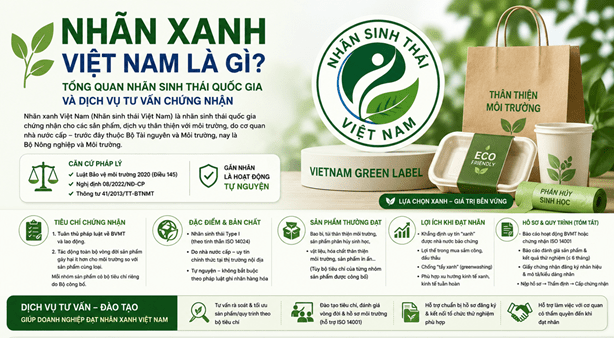
Vietnam Green Label (Nhãn Xanh Việt Nam)Các sản phẩm và dịch vụ du lịchDo Bộ TN&MT Việt Nam công nhận
Bộ tiêu chí DL Bền vững Việt Nam (VITA 2019)Điểm đến, doanh nghiệp du lịch trong nướcPhát triển bởi Hiệp hội Du lịch Việt Nam

📌 Đề xuất triển khai cho doanh nghiệp/khu du lịch:

  1. Tự đánh giá theo bộ tiêu chí GSTC.
  2. Áp dụng hệ thống quản lý ISO 21401 nếu có nguồn lực tốt.
  3. Tham gia các chương trình Travelife hoặc Green Globe để đạt chứng nhận quốc tế.
  4. Kết hợp đánh giá nội bộ với tiêu chí “Du lịch xanh Việt Nam” và hướng đến chuẩn khu vực ASEAN.

Tiêu chuẩn toàn cầu về lữ hành và du lịch bền vững là bước đi thiết yếu để đảm bảo rằng ngành du lịch không chỉ phát triển về mặt kinh tế mà còn góp phần bảo vệ môi trường và duy trì giá trị văn hóa xã hội. Việc áp dụng các tiêu chuẩn này không chỉ mang lại lợi ích dài hạn cho ngành, mà còn cho cả hành tinh và thế hệ tương lai.

CONTACT FOR SERVICE SUPPORT:

Contact Vietnam representative: Duc Luong Services

Hotline: +84 933096426 – +84 868 591 260

Email: info.vietnam@iscglobal.asia – van.pham@iscglobal.asia – ducluongservices@gmail.com

REGISTER FOR SERVICE HERE: APPLICATION FORM!

TCVN 11041-2:2017 Standard Certification and Consulting Services – Organic Farming

Comprehensive solutions towards sustainable agriculture in Vietnam

General introduction to TCVN 11041-2:2017 – Organic farming

The national standard TCVN 11041-2:2017 is one of the most important sets of standards to orient organic agricultural production in Vietnam. Developed based on international practices and domestic practical conditions, TCVN 11041-2:2017 regulates technical requirements, production processes, quality control and traceability for the organic farming sector. This standard contributes to improving the value of agricultural products, protecting the environment and public health, and expanding domestic and foreign consumption markets for Vietnam’s organic products.

Why do businesses and cooperatives need TCVN 11041-2:2017 certification?

  • Affirming the prestige and quality of products: Organic farming products are certified according to TCVN 11041-2:2017, demonstrating the commitment of businesses to quality, safety and sustainability.
  • Market expansion: Organic certification is a “passport” that helps products easily access modern distribution channels, supermarkets, and export to fastidious markets such as the EU, the US, Japan, etc.
  • Protecting public health: Organic production limits the use of toxic chemicals, towards food safety, protecting the health of consumers and producers.
  • Contributing to environmental protection: Organic farming methods help improve soil, conserve biodiversity, and reduce negative impacts on the surrounding environment.
  • Policy support: Many support programs of the State and international organizations give priority to projects and products with organic certification.

TCVN 11041-2:2017 Certification Training and Consulting Services – Organic Farming

To meet the increasing demand for organic production and certification, many units have implemented methodical training and consulting services for businesses, cooperatives, and farmers. These services are intended to support organizations and individuals to understand the process, proactively approach and fully meet the requirements of the standard.

1. Training on organic farming standards

  • Training content: Introduction to organic agriculture; analyze the detailed requirements of TCVN 11041-2:2017; guide the process of building an organic production management system; practicing hazard identification, control and traceability; update new trends in organic production in the world and Vietnam.
  • Training subjects: Business leaders, production managers, technicians, farmers, cooperatives.
  • Training method: Combining theory – practice, visiting practical models, group discussions, answering real situations of businesses.

2. Consulting on construction and operation of organic cultivation systems

  • Initial survey: Assessment of the current status of cultivation, land conditions, water sources, plant varieties, disease control measures, and use of fertilizers at the grassroots.
  • Develop a transformation roadmap: Propose steps to convert traditional production to organic in accordance with each object, area, and type of crop.
  • Supporting the construction of a quality management system: Establishing processes for controlling the import and export of materials, recording production logs, tracing shipments, training personnel to meet standards.
  • Consulting on the selection of input materials: Selection of varieties, fertilizers, pesticides, biological products… ensure compliance with the provisions of TCVN 11041-2:2017.
  • Guidelines for pest control by organic methods: Apply biological, physical and synthetic farming measures to minimize diseases without using toxic chemicals.
  • Prepare dossiers and documents for certification: Support businesses to prepare all documents, production logs, test samples, legal documents, etc. serving the evaluation and certification process.

3. Support for organic assessment and certification

  • Connect with reputable certification organizations: Introduce and support the selection of suitable and reputable domestic and international certification units.
  • Accompanying in the assessment process: Conducting internal audit sessions, simulating the inspection of the certification organization so that businesses are confident and ready for the official audit.
  • Answering questions, handling arising problems: Consulting to solve difficulties and obstacles in the implementation process, helping businesses achieve certification in the fastest time and save costs.

The process of implementing TCVN 11041-2:2017 certification training and consultancy services

  • Step 1. Receive information, survey the needs and current production status of enterprises or cooperatives.
  • Step 2. Plan training and consulting in accordance with the client’s goals, scale and resources.
  • Step 3. Organize training, training, guide the construction and operation of the organic management system.
  • Step 4. Accompanying the transformation, supporting to answer questions and remove difficulties in the process of applying standards.
  • Step 5. Support the preparation of dossiers, documents for certification, internal audit simulations.
  • Step 6. Connect with certification organizations, accompany in the assessment and receive organic certification.

Benefits of using TCVN 11041-2:2017 certification training and consultancy services

  • Save time, cost and resources during the transition to organic production.
  • Improve management capacity, awareness and skills for officials and employees.
  • Proactively control product quality and safety, meeting the strict requirements of the market.
  • Increase competitiveness, build a reputable brand of organic agricultural products.
  • Supported throughout from survey, training, consulting, dossier preparation to assessment and certification.

Mastering TCVN 11041-2:2017 standards and methodically implementing production processes, quality control, and traceability to help enterprises, cooperatives, and farmers improve product value, protect the environment and develop sustainable agriculture. Organic cultivation certification training and consulting services are a bridge to help organizations and individuals approach standards faster, confidently build an organic agricultural product brand that reaches the international level.

CONTACT FOR SERVICE SUPPORT:

Contact Vietnam representative: Duc Luong Services

Hotline: +84 933096426 – +84 868 591 260

Email: info.vietnam@iscglobal.asia – van.pham@iscglobal.asia – ducluongservices@gmail.com

REGISTER FOR SERVICE HERE: APPLICATION FORM!