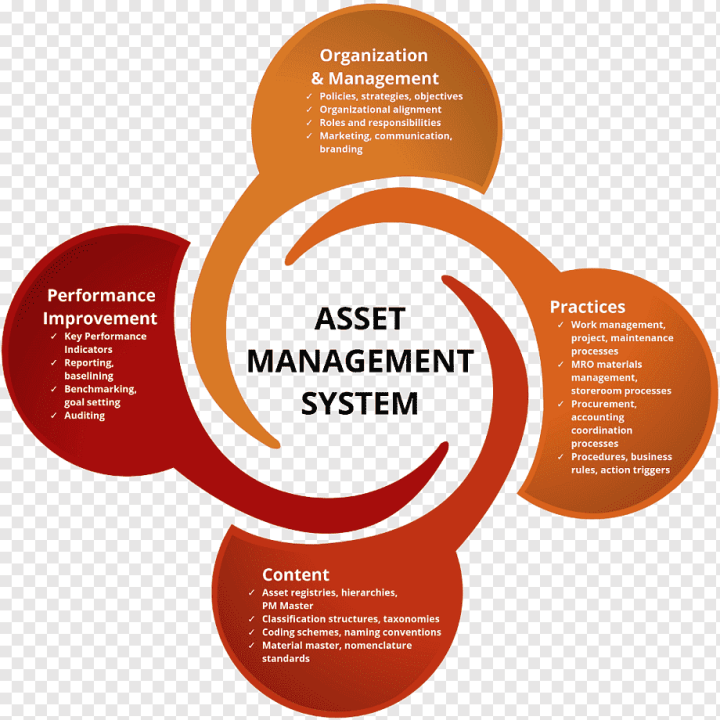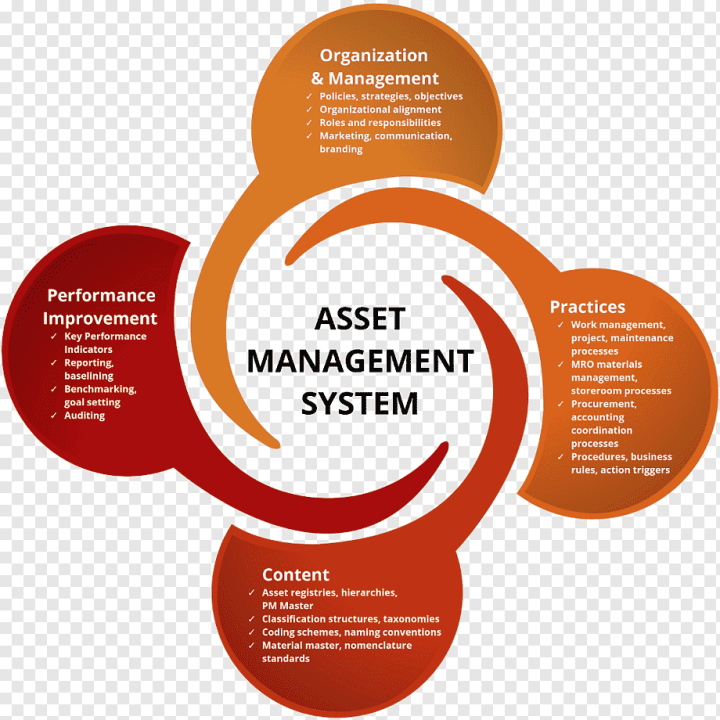
Hướng dẫn về cách quản lý tài sản hiệu quả
Giới thiệu về ISO 55001
ISO 55001 là một tiêu chuẩn quốc tế về Hệ thống quản lý tài sản (Asset Management System). Được ban hành bởi Tổ chức Tiêu chuẩn hóa Quốc tế (ISO), tiêu chuẩn này cung cấp các yêu cầu và hướng dẫn nhằm giúp các tổ chức quản lý tài sản của mình một cách hiệu quả hơn. Mục tiêu chính của ISO 55001 là tối ưu hóa giá trị tài sản trong suốt vòng đời của chúng.
Nguyên tắc cơ bản của ISO 55001
- Chính sách quản lý tài sản
Chính sách quản lý tài sản cần phải thể hiện cam kết của tổ chức về việc quản lý tài sản một cách hiệu quả. Chính sách này phải được truyền đạt rõ ràng đến tất cả các bên liên quan và phải được hỗ trợ bởi các mục tiêu và kế hoạch cụ thể. - Lập kế hoạch và kiểm soát
Lập kế hoạch là bước quan trọng trong việc xác định các mục tiêu và chiến lược quản lý tài sản. Điều này bao gồm việc xác định nhu cầu tài sản, phân tích rủi ro, và phát triển các kế hoạch hành động để đạt được mục tiêu đã đề ra. Kiểm soát liên quan đến việc giám sát và đánh giá hiệu quả của các kế hoạch này để đảm bảo rằng các mục tiêu được đạt được. - Quản lý rủi ro
Quản lý rủi ro là một phần không thể thiếu của Hệ thống quản lý tài sản. Các tổ chức phải xác định và đánh giá các rủi ro liên quan đến tài sản của mình, từ đó phát triển các biện pháp để giảm thiểu hoặc loại bỏ những rủi ro này. - Hiệu suất và đánh giá
Để đảm bảo rằng hệ thống quản lý tài sản đang hoạt động hiệu quả, các tổ chức cần theo dõi và đánh giá hiệu suất của hệ thống. Điều này bao gồm việc thu thập và phân tích dữ liệu, thực hiện các đánh giá nội bộ và bên ngoài, cũng như liên tục cải tiến hệ thống dựa trên các kết quả đánh giá. - Tham gia và truyền thông
Sự tham gia của tất cả các bên liên quan là yếu tố quan trọng để đảm bảo thành công của hệ thống quản lý tài sản. Tổ chức cần thiết lập các kênh truyền thông hiệu quả để đảm bảo rằng thông tin liên quan đến quản lý tài sản được truyền đạt một cách rõ ràng và kịp thời. - Cải tiến liên tục
ISO 55001 khuyến khích các tổ chức không ngừng cải tiến hệ thống quản lý tài sản của mình. Điều này bao gồm việc áp dụng các phương pháp và công nghệ mới, cũng như học hỏi từ các kinh nghiệm và thực tiễn tốt nhất.
Lợi ích của việc áp dụng ISO 55001
Việc áp dụng ISO 55001 mang lại nhiều lợi ích cho các tổ chức, bao gồm:
• Tăng cường hiệu quả quản lý tài sản
• Giảm thiểu rủi ro liên quan đến tài sản
• Tối ưu hóa chi phí và lợi ích từ tài sản
• Đảm bảo tuân thủ các quy định và tiêu chuẩn
• Cải thiện hiệu suất và tính bền vững
ISO 55001 cung cấp một khung quản lý tài sản toàn diện và hiệu quả. Bằng cách áp dụng các nguyên tắc và yêu cầu của tiêu chuẩn này, các tổ chức có thể quản lý tài sản của mình một cách tối ưu, từ đó mang lại giá trị bền vững và dài hạn.
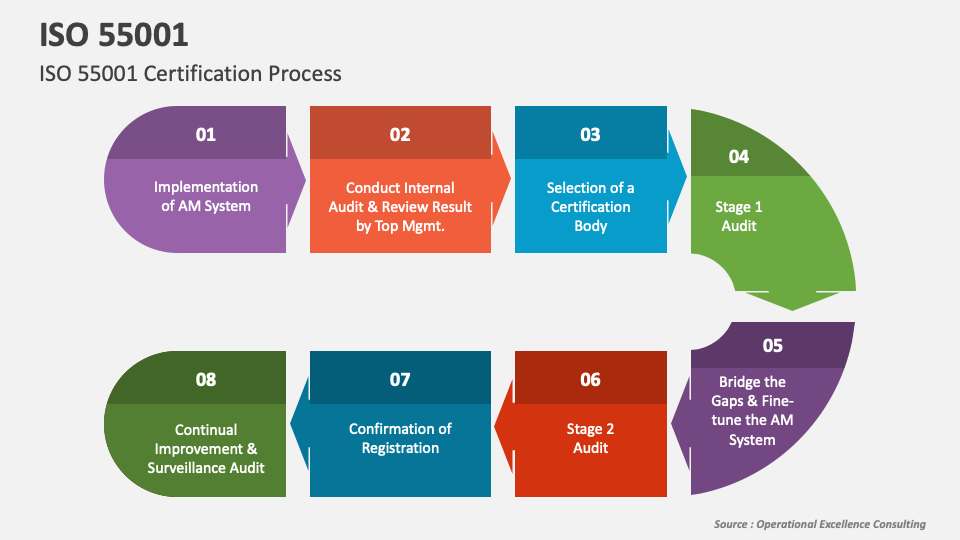
ISO 55001 – Fundamentals of the Asset Management System
Understanding the Core Principles and Benefits
Introduction
ISO 55001 is an international standard that outlines the requirements for an effective asset management system (AMS). It provides a structured framework for organizations to manage their assets efficiently, ensuring that they deliver value and contribute to the organization’s objectives. The standard is applicable to all types of assets and organizations, regardless of their size or industry.
Core Principles of ISO 55001
ISO 55001 is built on several core principles that guide organizations in establishing and maintaining a robust AMS. These principles include:
Value
The primary objective of asset management is to realize value from assets. This involves balancing costs, risks, opportunities, and performance to achieve the desired outcomes. Value is not only measured in financial terms but also in terms of social, environmental, and operational benefits.
Alignment
Asset management activities must be aligned with the organization’s objectives and strategic goals. This ensures that the AMS supports the overall mission and vision of the organization and contributes to its long-term success.
Leadership and Commitment
Effective asset management requires strong leadership and commitment from top management. Leaders must provide direction, allocate resources, and create a culture that supports asset management practices.
Risk Management
Identifying and managing risks associated with assets is a critical component of ISO 55001. Organizations must assess potential risks, develop mitigation strategies, and implement controls to minimize their impact on asset performance and organizational objectives.
Continual Improvement
ISO 55001 encourages organizations to continually improve their AMS. This involves regularly reviewing and updating asset management practices, monitoring performance, and implementing corrective actions to address any deficiencies.
Key Components of an Asset Management System
ISO 55001 outlines several key components that organizations must implement to establish an effective AMS. These components include:
Asset Management Policy
The asset management policy defines the organization’s commitment to asset management and provides a framework for setting objectives and making decisions. It should be aligned with the organization’s strategic goals and communicated to all relevant stakeholders.
Asset Management Strategy and Objectives
The asset management strategy outlines the approach and plans for managing assets, while the objectives define specific, measurable goals that the organization aims to achieve. Both the strategy and objectives should be based on a thorough understanding of the organization’s assets, their performance, and associated risks.
Asset Management Plan
The asset management plan details the activities, resources, and timelines required to achieve the asset management objectives. It should include information on asset acquisition, operation, maintenance, and disposal, as well as risk management and performance monitoring.
Information Management
Accurate and reliable information is essential for effective asset management. Organizations must establish processes for collecting, storing, and analyzing asset-related data to support decision-making and performance monitoring.
Roles and Responsibilities
Clearly defined roles and responsibilities are crucial for the successful implementation of an AMS. Organizations must assign specific tasks to individuals or teams, ensuring that everyone understands their responsibilities and has the necessary skills and resources to perform their duties.
Performance Evaluation
Regular performance evaluation helps organizations assess the effectiveness of their AMS and identify areas for improvement. This includes monitoring asset performance, conducting audits, and reviewing the achievement of asset management objectives.
Benefits of ISO 55001
Implementing an AMS based on ISO 55001 can provide numerous benefits to organizations, including:
Improved Decision-Making
A structured approach to asset management enables organizations to make informed decisions based on accurate data and a thorough understanding of asset performance and risks. This leads to more effective resource allocation and optimized asset performance.
Enhanced Asset Performance
By implementing best practices and continually improving their AMS, organizations can maximize the performance and value of their assets. This includes extending asset lifecycles, reducing downtime, and minimizing costs associated with maintenance and repairs.
Risk Mitigation
A key component of ISO 55001 is identifying and managing risks associated with assets. By proactively addressing potential issues, organizations can minimize the impact of risks on asset performance and organizational objectives.
Increased Stakeholder Confidence
Demonstrating a commitment to effective asset management can enhance stakeholder confidence and trust in the organization. This includes investors, customers, employees, and regulatory bodies who recognize the importance of responsible asset management practices.
Regulatory Compliance
ISO 55001 provides a framework for meeting regulatory requirements related to asset management. By implementing an AMS that complies with the standard, organizations can ensure they adhere to relevant laws and regulations, reducing the risk of non-compliance and associated penalties.
Competitive Advantage
Organizations that adopt ISO 55001 can gain a competitive edge by optimizing asset performance, reducing costs, and enhancing stakeholder confidence. This can lead to increased market share, improved financial performance, and long-term sustainability.
ISO 55001 provides a comprehensive framework for organizations to manage their assets effectively and realize their value. By adopting the core principles and components of the standard, organizations can improve decision-making, enhance asset performance, mitigate risks, and increase stakeholder confidence. Ultimately, implementing an AMS based on ISO 55001 can contribute to the long-term success and sustainability of the organization.
Khóa Đào Tạo Hệ Thống Quản Lý Tài Sản Theo ISO 55001
Giới thiệu và mục tiêu đào tạo
ISO 55001 là tiêu chuẩn quốc tế về quản lý tài sản, cung cấp một khung quản lý tài sản rõ ràng và có cấu trúc cho các tổ chức. Khóa đào tạo Hệ thống Quản lý Tài sản theo ISO 55001 nhằm giúp các tổ chức hiểu rõ và áp dụng thành công các nguyên tắc và yêu cầu của tiêu chuẩn này trong thực tế.
Mục tiêu đào tạo
Khóa đào tạo được thiết kế để đạt các mục tiêu sau:
• Hiểu rõ về hệ thống quản lý tài sản và tầm quan trọng của nó trong việc nâng cao hiệu quả và hiệu suất của tổ chức.
• Cung cấp kiến thức về các yêu cầu chính của tiêu chuẩn ISO 55001 và cách thức áp dụng chúng vào thực tế quản lý tài sản.
• Phát triển kỹ năng cần thiết để thiết kế, triển khai và duy trì một hệ thống quản lý tài sản hiệu quả.
• Giúp học viên nhận diện và quản lý các rủi ro liên quan đến tài sản của tổ chức.
• Tạo điều kiện để học viên có thể đánh giá và cải tiến hệ thống quản lý tài sản hiện có.
Đối tượng tham gia
Khóa đào tạo này phù hợp với:
• Nhà quản lý tài sản và các chuyên gia quản lý tài sản.
• Nhân viên chịu trách nhiệm về quản lý tài sản trong tổ chức.
• Các nhà quản lý cấp cao mong muốn hiểu rõ hơn về quản lý tài sản và cách nó có thể ảnh hưởng đến hiệu quả hoạt động của tổ chức.
• Các tư vấn viên và chuyên gia trong lĩnh vực quản lý tài sản.
Nội dung khóa đào tạo
Khóa đào tạo bao gồm các nội dung chính sau:
Giới thiệu về ISO 55001
• Lịch sử và phát triển của tiêu chuẩn ISO 55001.
• Khái niệm và nguyên tắc cơ bản của quản lý tài sản.
• Lợi ích của việc áp dụng ISO 55001 trong tổ chức.
Các yêu cầu chính của ISO 55001
• Khung quản lý tài sản và các yêu cầu liên quan.
• Quản lý rủi ro và cơ hội liên quan đến tài sản.
• Lập kế hoạch và kiểm soát hoạt động quản lý tài sản.
• Đánh giá và cải tiến hệ thống quản lý tài sản.
Thiết kế và triển khai hệ thống quản lý tài sản
• Các bước thiết kế và triển khai hệ thống quản lý tài sản.
• Phát triển chính sách và mục tiêu quản lý tài sản.
• Xác định và quản lý các rủi ro liên quan đến tài sản.
• Đánh giá hiệu quả và cải tiến hệ thống quản lý tài sản.
Đánh giá và chứng nhận theo ISO 55001
• Quy trình đánh giá và chứng nhận hệ thống quản lý tài sản.
• Các bước chuẩn bị cho quá trình đánh giá và chứng nhận.
• Yêu cầu và tiêu chí để đạt chứng nhận ISO 55001.
Phương pháp đào tạo
Khóa đào tạo sử dụng các phương pháp giảng dạy đa dạng nhằm đảm bảo học viên có thể tiếp thu kiến thức một cách hiệu quả nhất:
• Bài giảng trực tiếp từ các chuyên gia có kinh nghiệm trong lĩnh vực quản lý tài sản.
• Thảo luận nhóm và phân tích tình huống thực tế.
• Bài tập thực hành và mô phỏng để áp dụng kiến thức vào thực tế.
• Đánh giá và phản hồi liên tục để cải tiến quá trình học tập.
Kết quả mong đợi
Sau khi hoàn thành khóa đào tạo, học viên sẽ:
• Nắm vững kiến thức về hệ thống quản lý tài sản theo tiêu chuẩn ISO 55001.
• Có khả năng thiết kế, triển khai và vận hành một hệ thống quản lý tài sản hiệu quả.
• Biết cách đánh giá và cải tiến hệ thống quản lý tài sản hiện có trong tổ chức.
• Đủ điều kiện để tham gia quá trình đánh giá và chứng nhận theo tiêu chuẩn ISO 55001.
ISO 55001 là một công cụ quan trọng giúp các tổ chức quản lý tài sản một cách hiệu quả và bền vững. Tham gia khóa đào tạo Hệ thống Quản lý Tài sản theo ISO 55001 sẽ giúp học viên có được kiến thức và kỹ năng cần thiết để áp dụng thành công tiêu chuẩn này trong thực tế, từ đó nâng cao hiệu quả hoạt động và tạo ra giá trị bền vững cho tổ chức.
ĐĂNG KÝ DỊCH VỤ TẠI ĐÂY: APPLICATION FORM!
Nếu bạn có câu hỏi, chúng tôi có câu trả lời. Nếu bạn cần điều gì đó, chúng tôi sẵn sàng trợ giúp.
Vui lòng liên hệ:
Hotline 08.6859.1260 – 0933.096.426 – 0934.502.712
Email: ducluongservices@gmail.com – cskh@hoadangducluong.com